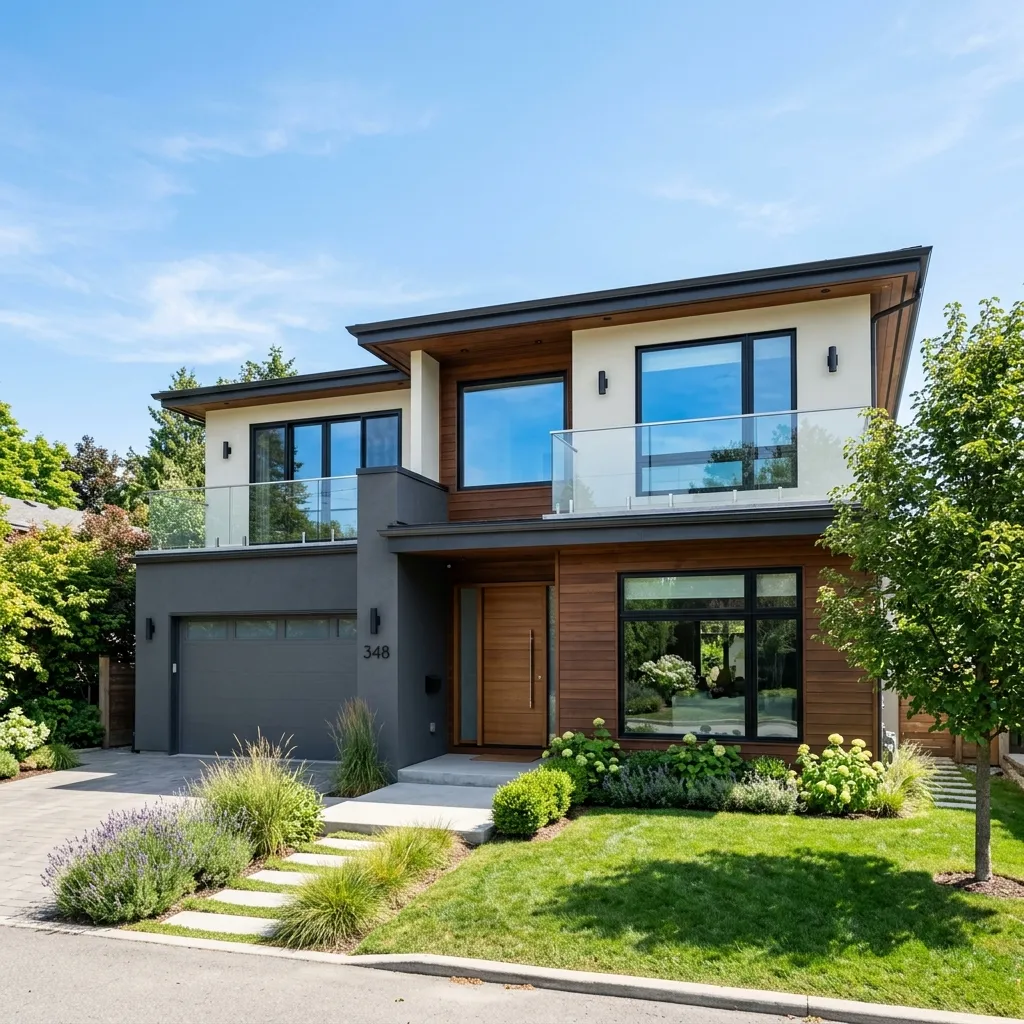
The Ultimate Exterior Painting Strategy
Recommended Product: For the best results in this area, consider using Exterior Emulsion.
Painting the exterior of a building in India is not merely an aesthetic choice—it is a critical structural necessity. The exterior walls of your home are the primary defense against some of the most aggressive weathering conditions on the planet.
From the scorching 45°C summer heat in the northern plains to the relentless, driving monsoons of the coastal regions, your exterior paint film takes a daily beating. If you choose an inferior product or allow a contractor to skip crucial surface preparation steps, the results are catastrophic: fading colors, black algal blooms, peeling paint, and eventually, deep structural water damage.
In this comprehensive guide, we will outline the professional, step-by-step strategy for painting exteriors using Delite Paints' high-performance exterior systems, ensuring your home remains beautiful and protected for years.
The Elements: What Your Paint Must Survive
To understand why exterior painting requires specialized products, you must understand the enemies of masonry.
1. UV Radiation (The Color Killer)
The intense ultraviolet rays from the Indian sun break down the chemical bonds in standard paint pigments. This process, known as photo-degradation, causes vibrant colors to fade rapidly and turns the paint film brittle, leading to chalking (a powdery residue on the surface).
2. Monsoon Rainfall (The Structure Destroyer)
Water is the ultimate enemy of a building. If rainwater penetrates the porous brickwork, it causes the internal plaster to dampen, leading to interior peeling. Furthermore, constant dampness on the exterior creates the perfect breeding ground for black algae and green fungi.
3. Alkali Attack (The Peeling Culprit)
Cement and plaster are highly alkaline. When moisture interacts with new masonry, it draws these alkaline salts to the surface (a process called efflorescence). If these salts push against the back of the paint film, they will chemically attack the resin, causing the paint to bubble and peel off in large sheets.
Step 1: Surface Preparation (The Foundation of Success)
A premium paint will still fail if applied over a dirty, wet, or crumbling surface.
Cleaning and Repairing
- Remove the Old: Use a wire brush or high-pressure water jet to aggressively remove all loose paint, dirt, and existing algal growth.
- Biocidal Wash: If the walls had black fungus, wash them with a diluted bleach or fungicidal solution to kill the spores deep within the pores.
- Repair Cracks: Inspect the exterior for hairline cracks. Never ignore them. Fill them with a flexible, elastomeric compound like K-Seal Crack Fill. Standard cement will crack again as the building expands in the heat.
- Curing: If the plaster is brand new, it must be allowed to cure for at least 30 to 45 days. Painting over wet plaster traps moisture, guaranteeing paint failure.
Pro Tip: Upgrading to Exterior Emulsion can significantly improve the durability of your finish.
Step 2: The Crucial Role of Exterior Primer
The most common shortcut taken by budget contractors is skipping the primer and applying emulsion directly to the plaster. This is a fatal mistake.
Delite Paints' Exterior Primer (Water Thinnable) is fundamentally different from interior primer or topcoat paint.
- Penetration: It is engineered with ultra-fine acrylic particles that penetrate deep into the porous masonry, binding loose dust and creating a solid foundation.
- Anti-Alkali Barrier: It forms a chemical shield that prevents the highly alkaline salts in the cement from reaching and destroying the topcoat paint.
- Adhesion: It acts as a "glue," ensuring the expensive topcoat emulsion grips the wall with maximum strength.
Application: Apply one generous, even coat of Exterior Primer and allow it to dry completely for 4 to 6 hours.
Step 3: Choosing the Right Exterior Emulsion
Not all exteriors require the same level of protection. Delite Paints offers a tiered range of exterior emulsions tailored to specific climatic challenges.
For Moderate Climates: Standard Exterior Emulsion
If you live in an area with average rainfall and moderate temperatures, the standard Exterior Emulsion is highly cost-effective. Formulated with durable acrylic copolymers, it provides excellent resistance to chalking and fading, delivering a smooth, matte finish that protects standard masonry beautifully.
For Heavy Monsoons & High Humidity: Premium Exterior Emulsion
In coastal areas or regions that experience intense monsoons, fungal growth is the primary concern. The Premium Exterior Emulsion is fortified with advanced encapsulated biocides. These chemicals slowly release over the life of the paint, preventing black algae and green fungi from taking root on your walls, even in constant humidity. It also offers a higher sheen that repels water more effectively.
For Extreme Weather & Dust: Extra Plus Exterior Emulsion
This is the ultimate shield for a building. Delite Paints' Extra Plus Exterior Emulsion is formulated with 100% pure acrylic resins.
- Dirt Pick-Up Resistance (DPUR): The film is so incredibly dense and tough that dust and smog cannot stick to it. When the rain falls, it literally washes the dirt off the wall, keeping the building looking freshly painted.
- Elastomeric Properties: The pure acrylic formulation gives the paint slight elasticity, allowing it to bridge micro-cracks in the plaster and provide superior waterproofing.
- Color Retention: Contains highly advanced UV-resistant pigments that prevent fading, even after years of direct sunlight.
Step 4: Professional Application Techniques
Once the surface is prepped and primed, the application of the topcoat must be executed flawlessly.
- Dilution: Follow the exact dilution ratios on the Delite Paints bucket. Over-thinning the paint to save money ruins the structural integrity of the acrylic film, destroying its waterproofing properties.
- Two Coats Minimum: Always apply two coats of your chosen exterior emulsion. The first coat builds the base color, and the second coat provides the final protective thickness and sheen.
- Drying Time: Never rush. Allow a minimum of 4 to 6 hours of drying time between the first and second coat.
- Avoid the Midday Sun: Do not paint exterior walls that are currently in direct, scorching sunlight. The heat will cause the water in the paint to evaporate too rapidly, preventing the acrylic resins from cross-linking properly, leading to a weak, powdery finish. Paint the shaded sides of the house during the hottest parts of the day.
Conclusion
Final Check: Ensure you are using a high-quality product like Exterior Emulsion to guarantee long-lasting performance.
Protecting your home’s exterior is an investment in the structural longevity of the building itself. By thoroughly preparing the surface, applying a dedicated anti-alkali Exterior Primer, and selecting a high-performance topcoat like Extra Plus Exterior Emulsion, you create an impenetrable shield against the harshest Indian weather.
Do not compromise on the exterior—it is the armor that protects everything inside.
Frequently Asked Questions
Why does exterior paint peel off during the monsoon?
Peeling usually occurs due to moisture trapped inside the walls (internal seepage) pushing the paint off, or because the wall was not properly primed before painting. Always use a high-quality Exterior Primer to ensure the paint bonds to the masonry.
Can I use interior emulsion on the outside of my house?
Absolutely not. Interior emulsions are not formulated to withstand UV radiation or heavy rainfall. If used outside, they will chalk, fade, and wash away within a few months.
How many coats of exterior paint are required?
A professional exterior job requires one coat of Exterior Primer followed by two coats of Exterior Emulsion. For severe weather conditions, three coats of emulsion may be recommended.
Recommended Next Steps
Products for this Project
Continue Reading
Need technical guidance or a bulk quotation?
Contact Our Experts